
ACL rehabilitation in Canning Town, East London
ACL rehabilitation at Physio Athletic is a staged programme for anyone with an ACL injury, before surgery, after reconstruction, or without an operation. Your progress is tracked with VALD force plate and strength testing, so return to sport is decided by your results rather than the calendar. We are in Canning Town, E16. Start with a free call.
Is this you?
- You have just injured your knee playing football, basketball, rugby, skiing, running or training and think it may be your ACL
- You are waiting for ACL surgery and want to prepare with prehab
- You have been advised to try rehab without surgery
- You have had an ACL reconstruction and want a clear plan back to your sport
- You are roughly 20 to 45 and want to get back to sport, not just walk normally again
What is an ACL injury?
The anterior cruciate ligament runs through the middle of your knee and stops the shin bone sliding forward or twisting too far on the thigh bone. When it tears, the knee loses a large part of its stability, which is why a torn ACL is felt most in changing direction rather than in walking in a straight line.
Torn your ACL? Whether you are heading into surgery, recovering from it, or still deciding, the next few months decide how your knee performs for years.
How ACL injuries usually happen
Most ACL injuries happen without anyone touching you. Landing from a jump, pivoting on a planted foot, or slowing down quickly to change direction can all load the ligament past what it can take. Football, rugby, basketball, netball and skiing account for a large share of the ACL injuries we see in the clinic, and a smaller number come from a direct blow to the knee.
Common signs of a torn ACL
People often describe a pop or a tearing sensation at the moment of injury, followed by the knee swelling within a few hours. The knee may feel unstable or as though it could give way, particularly when turning. None of these signs confirm an ACL tear on their own, and some people with a complete tear walk out of the pitch unaided, so an assessment is the only way to know what you are dealing with.
If your knee is locked and will not straighten, if the swelling is severe and came on immediately, or if you cannot put weight through the leg at all, get urgent medical advice rather than waiting for a physiotherapy appointment.
Do I need surgery for a torn ACL?
There is no single answer, and it is not a decision a physiotherapist makes for you. It depends on how unstable your knee is day to day, what you want to get back to, whether other structures such as the meniscus are also damaged, and your own view of surgery. Some people manage well with rehabilitation alone. Others, particularly those returning to pivoting sport, are usually advised to have a reconstruction. The decision is made with you and, where relevant, with a surgeon.
Rehab without surgery
Managing an ACL injury without an operation means building enough strength and control around the knee that it behaves predictably under load. The programme follows the same principles as post-surgical rehabilitation and is guided by the same testing, but without a healing graft to protect there is no fixed timeline to wait for. Testing can start as soon as you are able.
Some people take this route permanently. Others use it to see how the knee copes before committing to a decision about surgery, which is a legitimate way to make the choice.
Prehab before ACL surgery
If you are facing ACL surgery, starting rehabilitation beforehand can make a real difference to how you recover afterwards. Building strength and control before your operation gives you a stronger foundation to come back from once surgery is done. In practice that means settling the swelling, getting full extension back, and rebuilding the quadriceps before the knee is operated on rather than after.
How we treat it
-
Free call
A short call to talk through your injury and check that physio is the right first step. No commitment.
-
45-minute assessment
We take a full history, test movement, swelling and strength, and explain what we find and what your options are.
-
Rehab in stages
Each stage has goals to reach before moving on, from calming the knee down to strength, running and change of direction.
-
Return to sport, by criteria
You go back when your strength, power and movement tests say you are ready, not on a set date. After reconstruction this typically takes 9 months or more.
ACL rehab timeline, phase by phase
Every knee is different, but here is the general shape of an ACL programme.
-
0 to 6 weeks
Calm the knee down
Reducing swelling, restoring full extension and getting flexion to 90 to 110 degrees, and re-activating the quad. Most patients are off crutches by 6 weeks.
-
6 weeks to 3 months
Build the foundations
Strength work and neuromuscular control, retraining the knee to move well before we load it hard.
-
3 to 4 months
Heavier strength training
Progressive loading to rebuild real strength, not just movement quality.
-
4 to 5 months
Running prep and plyometrics
Getting the knee ready to tolerate impact before we introduce it.
-
5 to 6.5 months
Return to running
Strength and plyometric work continue alongside it.
-
6.5 to 9 months
Sport-specific work
Sprinting, cutting, and the return-to-sport testing that tells us you are ready.
-
9 months onward
Return to performance and prevention
This is not the finish line. It is where we make sure you do not end up back here, with continued strength and movement work to reduce the risk of re-injury as you return to full performance.
These timeframes are a guide, not a promise. Everyone progresses differently, and we adjust based on how your knee is actually responding rather than a fixed schedule. If you are returning to pivoting or high-impact sport, we typically recommend a minimum of 12 months before full return, to protect the healing graft and reduce the risk of re-injury.
How we assess your ACL
Every ACL patient starts with a full clinical assessment, covering range of motion, strength, swelling and how the knee is coping day to day, and we build your early-phase plan around that.
Decisions about your rehab are based on measurements, not guesswork. On site we have:
- VALD ForceDecks force plates, to compare force and power between your legs in jumps and landings.
- DynaMo strength testing, to measure the strength of individual muscle groups and track it over time.
- An on-site gym inside Sculpt & Sweat Studio, so your rehab uses real training equipment.
From there, we use VALD force plate and dynamometer testing at multiple stages throughout your rehab, not just once. This gives us objective data on limb symmetry, strength asymmetry, rate of force development and landing mechanics, so progression decisions are based on what your knee can actually do, not how many weeks have passed.
For surgical patients, VALD testing typically begins around 8 to 12 weeks post-op, once you are ready. If you are managing your ACL without surgery, testing can start as soon as you are able, as there is no fixed timeline to wait for.
Every stage, from when to load more, to when to start running, to when you are ready to return to sport, is guided by this data rather than guesswork.
Why ACL reinjury happens, and how we reduce the risk
Reinjury after ACL reconstruction is more common than most people expect, and research consistently finds that a substantial proportion of young athletes who return to pivoting sport go on to suffer a second ACL injury. The same research points to a few consistent causes: returning based on time passed rather than actual readiness, insufficient strength and control testing before clearance, and rushing the early weeks back into sport, which carry disproportionately high risk.
This is exactly why we do not clear anyone on a calendar date. Every return-to-sport decision is backed by VALD testing, covering strength symmetry, force output and landing mechanics, not just how many months have passed since surgery.
We have taken over 200 patients through ACL rehab, and that is the standard every one of them is held to.
Who you'll see
-
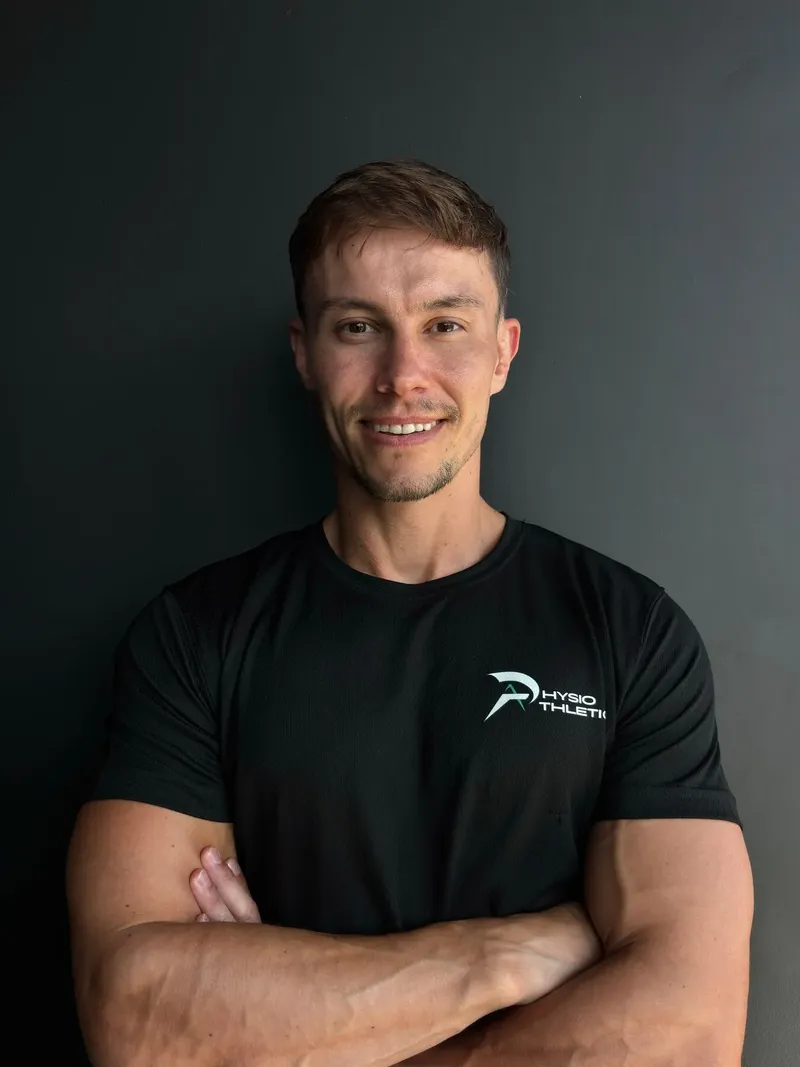
Founder & Specialist MSK Physiotherapist · BSc, HCPC, MCSP, AACP
-
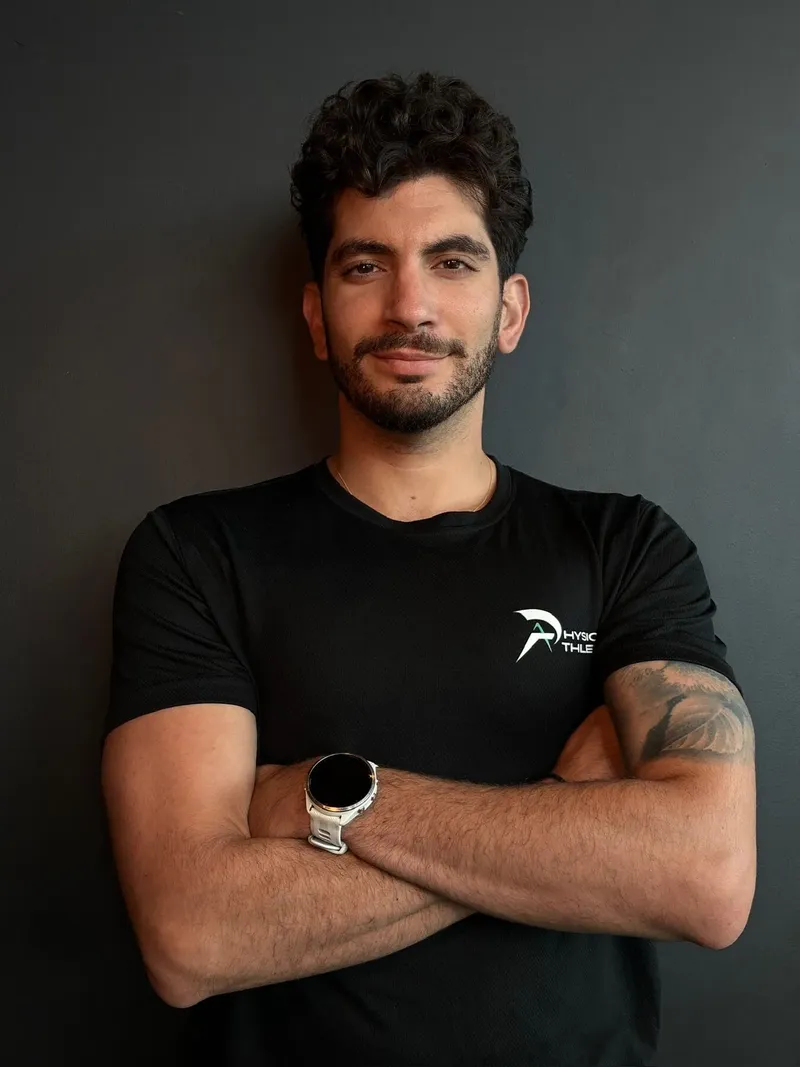
Senior Physiotherapist
Working with your surgeon
We work with leading London knee surgeons and follow your surgeon's protocol after an operation. If your assessment suggests a surgical opinion would help, we explain why and help you arrange one.
Using your health insurance
We are registered with Bupa, AXA, WPA, Cigna and Vitality. Contact your insurer first to get an authorisation code, then book with us and we bill your insurer directly. Some insurers ask for a GP referral before they authorise treatment.


What our ACL patients say
After my ACL and meniscus surgery, I had a lot of pain, swelling, and difficulty walking. Josh has been incredible in helping me regain strength, stability, and confidence. Their guidance is always clear, supportive, and tailored to my progress. I'm feeling stronger every week and couldn't be happier with my recovery so far.
I ruptured my ACL and tore my meniscus in a ski accident. I spent time doing prehab with Josh before surgery, and by the time I went in, I'd hit PBs in almost all my gym exercises. I was fitter than before my injury. My rehab since surgery has been incredibly smooth, and Josh completely changed my mindset toward exercise. My original goal was just to get back to skiing, and instead I've come back stronger than ever, and I'm now training for a Hyrox event.
ACL rehab questions
How long does ACL rehab take?
After an ACL reconstruction, rehabilitation typically takes 9 months or more, and for pivoting or high-impact sport we generally recommend a minimum of 12 months before a full return. The end point is a set of criteria rather than a date: you progress when your strength, power and movement testing says the knee is ready. Previous injuries, other damage in the knee and how the early weeks go can all make it longer.
Do I need surgery for a torn ACL?
It depends on your knee and your goals, and it is a decision made with you rather than for you. People returning to sports that involve pivoting and cutting are usually advised to consider a reconstruction, while some people whose knee feels stable in daily life do well with rehabilitation alone. Other damage in the knee, such as a meniscus tear, also affects the decision. We assess the knee, explain the options, and help you arrange a surgical opinion where that would help.
Can you walk with a torn ACL?
Many people can walk within days of tearing their ACL, and some walk off the pitch at the time. Walking in a straight line asks very little of the ligament, so being able to do it does not tell you the knee is stable. The problems show up in turning, pivoting and changing direction, where the knee can feel as though it may give way. Get the knee assessed even if you are walking comfortably.
What is ACL prehab and is it worth doing before surgery?
Prehab is rehabilitation done before your operation. The aim is to go into surgery with the swelling settled, full extension restored and as much quadriceps strength as possible, because the knee you start rehabilitating afterwards is the knee you bring in. Building strength and control before your operation gives you a stronger foundation to come back from once surgery is done.
How soon after surgery should I start physio?
We follow the instructions your surgeon gives you, and in most cases that means starting within the first week or two after the operation. The early work is about settling the swelling, restoring full extension and waking the quadriceps up again, all of which are easier to achieve early than to fix later. Bring your surgery notes and any protocol your surgeon has given you to the first session.
When can I get off crutches?
Most patients are off crutches by around 6 weeks, once swelling has settled and you have regained enough control and strength through the knee.
How long will I have pain for?
Pain and swelling are usually at their worst in the first few weeks and settle significantly by around 6 weeks as the knee calms down. Some soreness is normal and expected during harder phases of rehab, particularly when strength training or plyometrics ramp up, and is not a sign something is wrong.
When will I feel normal again?
It depends what normal means for you. Day-to-day movement, such as walking, stairs and getting on with life, usually feels close to normal within the first few months. Feeling like your old self in the gym or on the pitch takes longer, and full confidence in the knee often takes the longest of all.
When can I run again after ACL surgery?
Most patients begin a structured return to running around 5 to 6.5 months, once strength and control have been built up in the phases beforehand. We do not rush this stage, as running too early is one of the more common causes of setbacks.
How do you decide when I can return to sport?
Return to sport is criteria-based, not just time-based. You are cleared when your testing shows you are ready, not because a certain number of weeks has passed. The absolute earliest this typically happens is around 9 months, and for pivoting or high-impact sports we generally recommend waiting a minimum of 12 months in total to protect the graft and reduce the risk of re-injury.
Can I play football again after an ACL injury?
Most people who want to return to football are working towards it, and the work is what makes the difference. Football asks the knee to accelerate, decelerate, pivot and land, so the later phases of rehabilitation are built around exactly those demands and tested before you are cleared. A substantial proportion of young athletes who go back to pivoting sport suffer a second ACL injury, which is why we clear people on test results rather than on the date.
I have injured my ACL and meniscus. Can you help?
Yes, and it is a common combination. Rehabilitation after a combined injury is usually more protected in the early phases, because a repaired meniscus needs careful, staged loading while it heals and that can limit how much you bend and load the knee at first. We work from your surgeon's protocol and build the ACL programme around it.
Can I do ACL rehab with my health insurance?
We are registered with Bupa, AXA, WPA, Cigna and Vitality. Contact your insurer first to get an authorisation code, then book with us and we bill your insurer directly. Some insurers ask for a GP referral before they authorise treatment. ACL rehabilitation runs over many months, so it is worth checking how many sessions your policy covers at the start.
Can I do some of my ACL rehab online?
Some of it, yes. The early phases and the return-to-sport testing need to happen in the clinic, because they depend on hands-on assessment and on the force plates. Later-stage strength work and check-ins can be run online for people who have moved away or cannot get in regularly, usually alongside periodic in-person testing.
What should I bring or wear to my first appointment?
Wear shorts, or bring a pair, so we can see and test the knee properly, and bring trainers you can move in. If you have had a scan, an operation or a protocol from your surgeon, bring the report or notes with you. If you are using health insurance, have your authorisation code ready.
Start your ACL rehab
Whether you are preparing for surgery, recovering from it, or managing your ACL without one, we will build your plan around exactly where you are at.
Not sure which appointment you need? Call us for a free chat and we'll point you in the right direction.
Getting here
Physio Athletic
Inside Sculpt & Sweat StudioUnit 2 Hoola, 5 Tidal Basin Road
Canning Town, London E16 1UX
- Nearest stations: Royal Victoria (DLR) and Custom House (Elizabeth line)
- Paid street parking nearby
- Please note the clinic is not step-free
Opening hours
- Monday–Thursday
- 07:00–21:00
- Friday
- 08:00–21:00
- Saturday
- 08:00–17:00
- Sunday
- 10:00–17:00