
Lower back pain and sciatica physio in Royal Victoria, East London
Physio Athletic treats lower back pain and sciatica in Royal Victoria, East London, from a flare-up that will not settle to a diagnosed disc or nerve problem or rehab after spinal surgery. We assess your whole movement chain, not only where it hurts, and build your programme around what is driving the pain. Start with a free call.
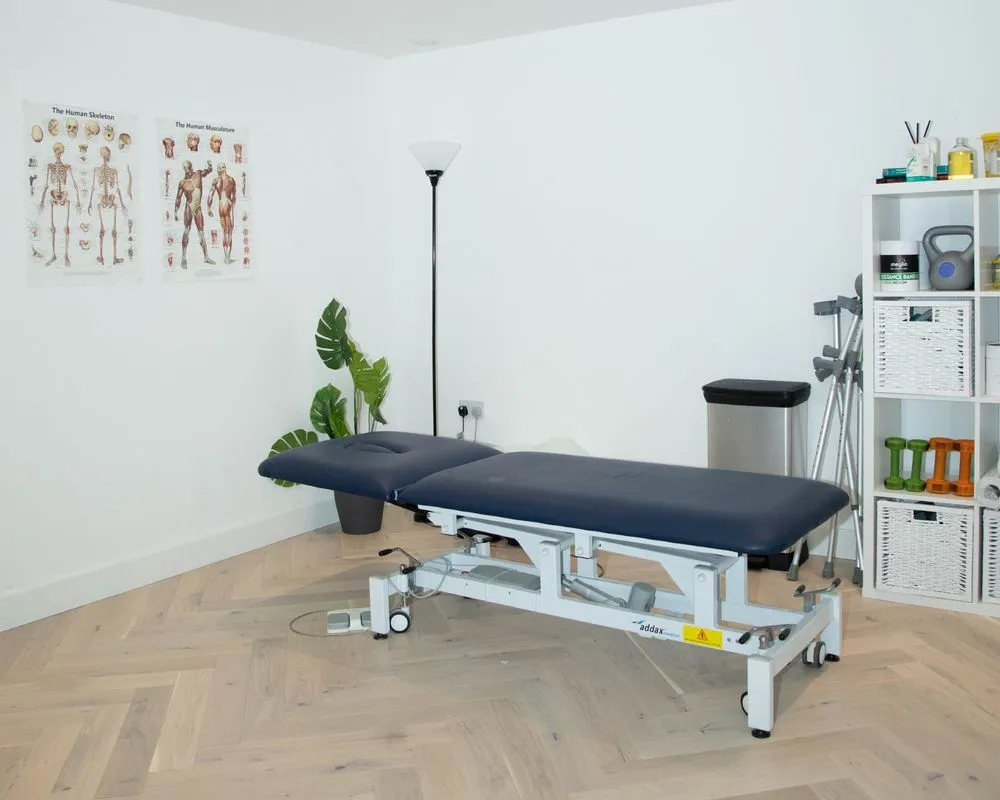
Is this you?
- You work at a desk and your lower back aches or stiffens
- You hurt your back lifting in the gym
- You are a runner with back pain that affects your training
- You have pain spreading into your buttock or leg and have been told it may be sciatica
- Your back pain keeps coming back, even after previous treatment
- You are recovering from back surgery
Back pain and sciatica we treat
Nagging lower back pain, sciatica running down your leg, or recovering from back surgery? Back pain rarely has one single cause, which is exactly why treating only the sore spot so often does not resolve it. At Physio Athletic we look at your whole movement chain, not just where it hurts, and build your physiotherapy programme around what is actually driving your pain.
We see the full range of back pain at our clinic in Royal Victoria, including:
- Nerve pain, including sciatica
- Disc issues
- Muscular pain
- Facet joint irritation
- Rehab after back surgery
Whatever is behind your pain, the same principle applies: find the actual cause, including anywhere else in the chain that is contributing to it, and build the plan around that. Your plan is built around your specific presentation and goals, and tracked with objective testing at every stage.
Sciatica and disc problems
Sciatica is pain that travels from the lower back or buttock down the leg. It happens when the sciatic nerve, which runs from your lower back to your feet, is irritated or compressed. A disc problem, often called a slipped disc, is one of the things that can irritate the nerve.
We assess nerve pain with nerve tension testing alongside movement and strength testing, so your plan reflects what is actually loading the nerve. The large majority of back pain does not need surgery, and a diagnosed disc or nerve issue is treated on the same principle as any other back pain: settle the symptoms, keep you moving, then rebuild strength.
Why back pain keeps coming back
Back pain usually keeps coming back because the actual cause was never identified. Treatment addressed the painful area without looking at what was driving it.
A lot of back pain comes from compensation elsewhere. Weak glutes, for example, force your hips and back to take on load they should not be carrying. That is why we do not only look at your back. We look at the areas that support it, your core, glutes and legs, and test them, so treatment targets the cause and not only the symptom.
When to get urgent help
Most back pain is not serious, but some symptoms need medical help straight away rather than a physio appointment.
Call 999 or go to A&E if you have back pain and:
- Pain, tingling, weakness or numbness in both legs
- Numbness or loss of feeling around your genitals or bottom
- Changes in your bladder or bowels, such as difficulty peeing or loss of control
- Chest pain
- It started after a serious accident, such as a car accident
Ask for an urgent GP appointment or call NHS 111 if:
- You feel hot, shivery or generally unwell
- The pain is severe and started suddenly, or is getting worse quickly
See your GP if:
- You have lost weight without trying to
- There is a lump or swelling in your back, or your back has changed shape
- The pain is worse at night or does not ease with rest
If you are unsure, call NHS 111. We check for these signs at every assessment and will tell you directly if you need to see a doctor.
Back pain and the gym
In most cases you keep training with back pain, with adjustments rather than a full stop. Prolonged rest tends to make back pain worse, not better, and can make it harder to get moving again. Staying as active as your symptoms allow, with the right guidance on what to adjust, gets you further than rest does.
From there we rebuild strength progressively in the back and the muscles that support it, so they can handle training load again without the same pain returning. Rehab takes place in the on-site gym at Sculpt & Sweat Studio, with real training equipment. We will tell you plainly if your case is the exception.
Back pain from desk work
If your lower back aches or stiffens after long days at a desk, the same principle applies: we look for what is driving it rather than only treating the sore spot, and we keep you moving while it settles. The clinic is open early mornings, evenings and weekends, so appointments fit around work.
How we treat it
-
Free call
A short call to talk through your back pain and check that physio is the right first step. No commitment.
-
45-minute assessment
We ask about your pain and daily life, check for anything that needs a doctor, and test how your back moves and copes with load.
-
Treatment and strength
Hands-on treatment where it helps, which may include joint mobilisations, massage or acupuncture, alongside exercise to rebuild movement and strength.
-
Back to work, the gym and running
A plan to return to the things you want to do, with progress checked by testing along the way.
Lower back pain recovery by treatment path
Recovery looks different depending on whether your back is being managed without surgery, which is the most common path, or you have had an operation. Without surgery, it is built around your specific pain, movement and strength findings rather than a fixed schedule.
-
Without surgery: stage 1
Calm it down
Managing symptoms and identifying what is aggravating things, while keeping you moving rather than resting completely. Prolonged rest tends to make back pain worse, not better.
-
Without surgery: stage 2
Find and address the cause
Whether that is the back itself or, as it often is, a compensation pattern from weak glutes, core or legs, treatment targets what is actually driving the pain. It may include joint mobilisations, massage or acupuncture alongside exercise.
-
Without surgery: stage 3
Rebuild strength and capacity
Progressive strengthening of the back and its supporting muscles, so they can handle everyday load, and training load if that is relevant to you, without the same pain returning.
-
After back surgery
Guided by your surgeon's protocol
We work directly from your surgeon's specific protocol rather than a generic timeline, since the right pace of loading depends entirely on the procedure you have had. Testing guides your progression alongside your surgeon's clearance at each stage.
How long this takes varies hugely depending on how long you have had the pain and what is driving it. Some patients see real change within weeks. Others, particularly with pain that has been building for years, take longer. We will give you an honest sense of this after your assessment.
How we assess lower back pain
Every back pain patient starts with a full clinical assessment: a movement assessment, a posture assessment, joint mobilisations and nerve tension testing where relevant, alongside strength testing of your core, glutes and legs.
Decisions about your rehab are based on measurements, not guesswork. On site we have:
- VALD ForceDecks force plates, to compare force and power between your legs in jumps and landings.
- DynaMo strength testing, to measure the strength of individual muscle groups and track it over time.
- An on-site gym inside Sculpt & Sweat Studio, so your rehab uses real training equipment.
We use VALD testing, gait analysis and capacity testing to identify weak links objectively, rather than guessing at what is contributing to your pain.
If you are recovering from back surgery, we work from your surgeon's specific protocol. Spinal procedures vary widely in what they involve and how they need to be loaded afterwards, so there is no generic timeline we apply.
Who you'll see
-
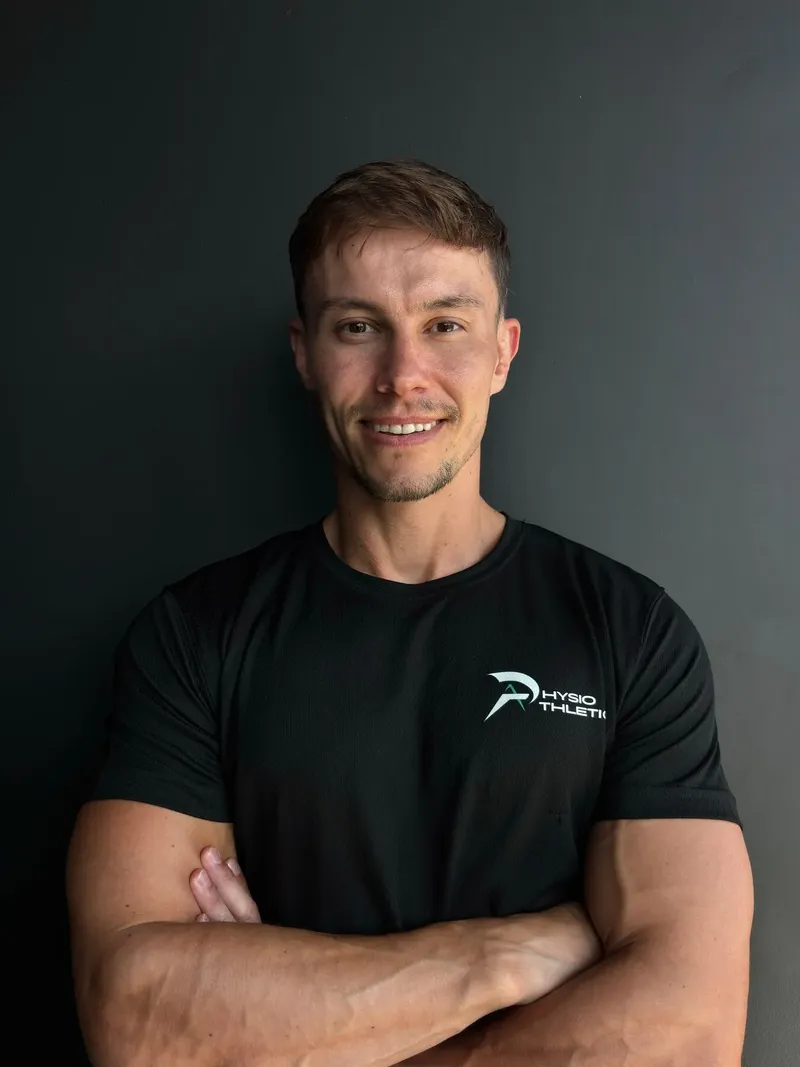
Senior MSK Physiotherapist · BSc, HCPC, MCSP, AACP
-
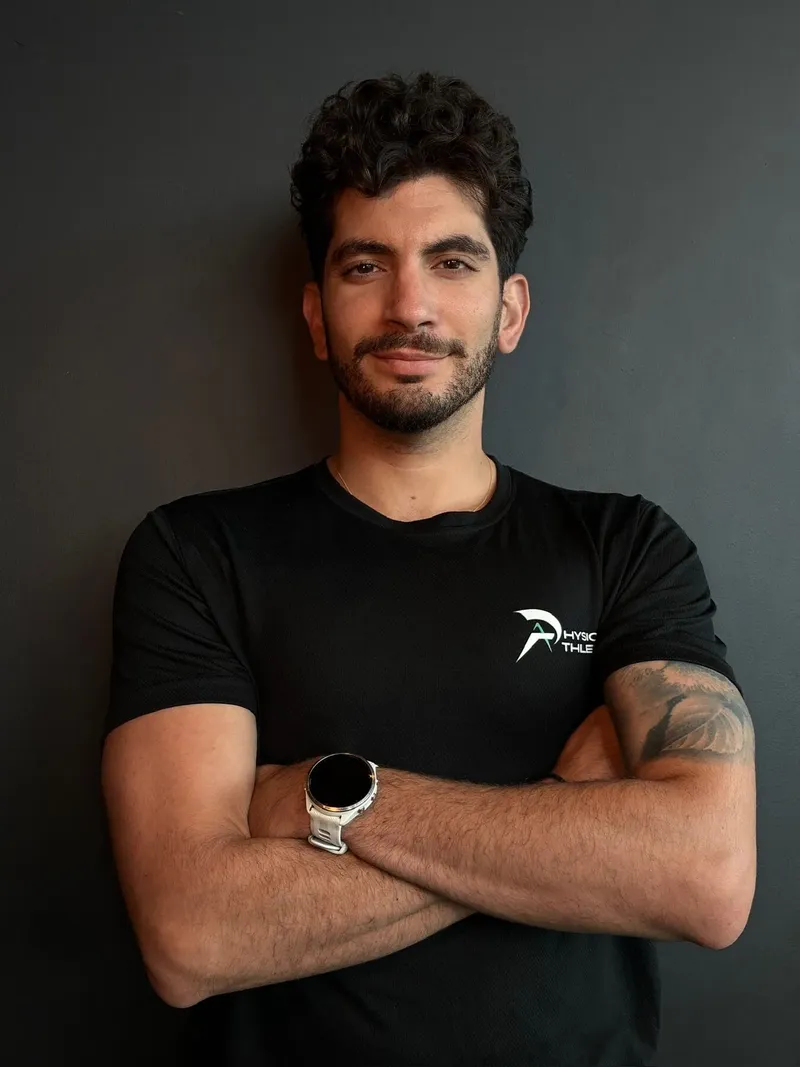
Senior MSK Physiotherapist · BSc, HCPC, MCSP, AACP
Working with your surgeon
After back surgery we follow your surgeon's protocol. If your assessment suggests a medical or surgical opinion would help, we explain why and work alongside your GP or specialist.
Using your health insurance
We are registered with Bupa, AXA, WPA, Cigna and Vitality. Contact your insurer first to get an authorisation code, then book with us and we bill your insurer directly. Some insurers ask for a GP referral before they authorise treatment.





What our back pain patients say
I had a great experience with Ioannis at Physio Athletic. I suffered from lower back pain for years, and although the rehabilitation process isn't easy, I can truly say that a good professional makes all the difference. Highly recommended!
I started treatment at Physio Athletic about two months ago due to persistent lower back pain. I had received treatment before, but the pain kept returning because the root cause was never identified. From my very first session, Josh pinpointed the likely source of my pain instead of just prescribing generic exercises without understanding the 'why.' It turned out my glutes lacked strength, forcing my hips and back to compensate. Through a combination of acupuncture, massage, and targeted exercises, my pain has been easing, and I'm very satisfied with my treatment! Additionally, as a woman, I felt comfortable from day one. Josh has been both highly professional and genuinely friendly. I highly recommend Physio Athletic to anyone looking for effective, personalised treatment that actually addresses the root cause of their pain.
I can't recommend Josh enough! He has helped me a lot. I was involved in a car crash in January and was unable to move my right side completely and had damaged my back. From the first session he made me feel very comfortable and gave me exercises to slowly get my movement back. Every session was customised to my needs and focused on all the areas that were affected. He is very attentive and listened to all my concerns. I have felt a lot of improvement and I can say for sure that Josh has helped me a lot in my recovery. Thank you so much for everything Josh!
Lower back pain questions
Can a physio help with lower back pain?
Yes. Physiotherapy is a good first step for most lower back pain, and you can book without a GP referral. We assess how your back and the muscles that support it move and cope with load, explain what we find, and build a programme around what is driving the pain. If anything suggests you need a doctor instead, we tell you.
Should I see a GP or a physio for back pain?
For most back pain you can come straight to a physio, with no GP referral needed. See your GP or call NHS 111 first if you feel generally unwell with it, have lost weight without trying, or the pain is severe and getting worse quickly. Call 999 or go to A&E for numbness around your genitals or bottom, changes in bladder or bowel control, or weakness in both legs.
Can physio help sciatica?
Physio can help with sciatica, which is nerve pain travelling from the lower back or buttock down the leg. We use nerve tension testing alongside movement and strength testing to find what is loading the nerve, then build a programme to settle symptoms and rebuild strength. Sciatica is one of the back pain presentations we treat most often at the clinic.
Do I need a scan for back pain?
Not usually. Most back pain can be assessed and managed clinically, and imaging findings do not always match up with someone's actual pain or predict how they will respond to treatment. We will tell you directly if we think a scan would actually change your treatment, or if something needs ruling out.
Should I rest until my back pain settles?
Generally, no. Prolonged rest tends to make back pain worse, not better, and can make it harder to get moving again. In most cases, staying as active as your symptoms allow, with the right guidance on what to adjust, gets you further than rest does. We will tell you plainly if your case is the exception.
Why does my back pain keep coming back?
Back pain usually keeps coming back because the actual cause was never identified: treatment addressed the painful area without looking at what was driving it. Weakness or poor movement elsewhere, often the glutes, core or legs, is a common hidden contributor. Our assessment specifically looks for this, so treatment targets the cause, not just the symptom.
Will I need surgery for back pain?
The large majority of back pain does not need surgery and responds well to a structured rehab programme. Whether surgery is genuinely the right option depends on your specific diagnosis, and it is a conversation we can help guide you through alongside your GP or a specialist where relevant.
How long does lower back pain last?
How long lower back pain lasts depends on your specific presentation and how long you have had it. A recent flare-up and years of ongoing pain are different journeys. Some patients see real change within weeks, and others take longer. We will be honest with you about what to expect after your assessment rather than giving a generic timeframe.
Can I still go to the gym with lower back pain?
Usually yes, with adjustments rather than a full stop. Staying as active as your symptoms allow gets most people further than rest does, and rebuilding strength in the back and its supporting muscles is part of the treatment. We guide what to change and when to add load back, and we will tell you plainly if you need to hold off.
I hurt my back deadlifting. What should I do?
If you hurt your back deadlifting, keep moving as far as your symptoms allow rather than resting completely, and ease off the lifts that aggravate it for now. If the pain is not settling, book an assessment: we test your back, core, glutes and legs to find the weak link, then rebuild your lifting progressively. Go to A&E if you have numbness around your genitals or bottom, or weakness in both legs.
Is walking good for lower back pain?
Walking is generally good for lower back pain, because staying active helps more than resting. Prolonged rest tends to make back pain worse and can make it harder to get moving again. How far and how often depends on your symptoms, so we give you specific guidance on what to do and what to adjust after your assessment.
Physio, chiropractor or osteopath: which should I see for back pain?
All three treat back pain, and the difference is mainly in the approach. As physiotherapists we start with a full clinical assessment and strength testing, then combine hands-on treatment such as joint mobilisations, massage or acupuncture with a progressive exercise programme. That suits you if you want to understand what is driving your pain and build the strength to stop it returning.
How many sessions will I need?
Many people with back pain managed without surgery typically need around 3 to 6 sessions, though it depends on how long you have had the pain and what is driving it. Pain that has been building for years usually takes longer than a recent flare-up. We give you an honest estimate after the assessment rather than selling a fixed block up front.
I have had physio before and it did not help. What is different here?
When back pain returns after treatment, it is usually because the cause was never identified. Our assessment looks beyond the painful area to the glutes, core and legs, and uses VALD testing, gait analysis and capacity testing to find weak links objectively. Your programme then targets what is driving the pain, with progress tracked by testing at every stage.
Does my health insurance cover back pain physio?
We are registered with Bupa, AXA, WPA, Cigna and Vitality. Contact your insurer first to get an authorisation code, then book with us and we bill your insurer directly. Some insurers ask for a GP referral before they authorise treatment.
Not sure what is driving your back pain?
Whether it is a recent flare-up, pain that has been nagging for years, or recovery after back surgery, a proper assessment is the best way to find out what is actually going on, not only where it hurts. We will look at your whole movement chain and build your plan around the real cause.
Not sure which appointment you need? Call us for a free chat and we'll point you in the right direction.
Getting here
Physio Athletic
Inside Sculpt & Sweat StudioUnit 2 Hoola, 5 Tidal Basin Road
Royal Victoria, London E16 1UX
- Nearest stations: Royal Victoria (DLR) and Custom House (Elizabeth line)
- Paid street parking nearby
- Please note the clinic is not step-free
Opening hours
- Monday–Thursday
- 07:00–21:00
- Friday
- 08:00–21:00
- Saturday
- 08:00–17:00
- Sunday
- 10:00–17:00