
Running injury physio in East London
Physio Athletic treats running injuries in Canning Town, East London, from runner's knee and Achilles pain to calf strains and shin splints. We film your running gait on the treadmill and test your strength on VALD force plates to find the weak link driving the injury, then build your plan back to full mileage. Start with a free call.
Is this you?
- You are a recreational runner with a niggle that comes back every time you build mileage
- You run marathons or with a club and an injury is threatening your training block
- You are a hybrid athlete combining running with strength training or Hyrox
- You want to keep training while you recover, not just rest and hope
Running injuries we treat
We see the full range of running injuries at the clinic. Whether it is your knee, Achilles, calf or IT band, the same principle applies: find the actual weak link driving it and load it properly, rather than resting until it quietens down and comes straight back the moment training ramps up.
Runner's knee (patellofemoral pain)
Runner's knee is pain around or behind the kneecap, usually worse on hills, stairs and after sitting with the knee bent. It tends to build gradually rather than start with one bad step. Treatment centres on how much load the knee is taking and on the strength and control of the hip and thigh that share that load.
Achilles tendinopathy
Achilles tendinopathy is pain and stiffness in the tendon at the back of the ankle, often at its worst first thing in the morning and at the start of a run. Tendons respond to progressive loading rather than to rest, so the plan is built around strengthening the calf and tendon in stages while your running is adjusted, not stopped by default.
Calf strains
A calf strain is a tear in the calf muscle, felt as a sudden pull or a tightness that builds during a run. Calf strains have a habit of recurring when running restarts as soon as walking feels normal. We rebuild calf strength and test it before your mileage goes back up.
IT band (ITB) pain
IT band pain is felt on the outside of the knee and typically comes on at a predictable point in a run, often on downhills or during longer efforts in a marathon block. We look at your running mechanics and hip strength to see what is overloading the area, and adjust your training while that is addressed.
Shin splints
Shin splints is pain along the inner edge of the shin bone, common in newer runners and when mileage rises quickly. It usually responds to a change in training load combined with calf and foot strength work. Shin pain that is sharp, sits in one small spot or gets worse with each run can be a stress fracture and needs prompt assessment.
Plantar heel pain (plantar fasciitis)
Plantar heel pain is felt under the heel, typically with the first steps in the morning or after sitting. It is slow to settle with rest alone. We manage it by adjusting how much load the foot takes and by progressively strengthening the foot and calf.
Hamstring tendinopathy
Hamstring tendinopathy is a deep ache at the top of the hamstring, near the sitting bone, often aggravated by faster running, hills and long periods of sitting. Like other tendon problems it is managed with progressive strengthening and changes to training, rather than with stretching and rest.
Hoffa's fat pad impingement
The Hoffa's fat pad sits just below the kneecap, and when it is irritated it gives pain at the front of the knee, particularly when the knee is fully straightened. It is often mistaken for other causes of knee pain, which is one reason a proper assessment matters before starting a generic programme.
Why running injuries keep coming back
A running injury usually keeps coming back because the underlying cause was never addressed. The painful area is rested until it settles, then loaded in exactly the same way again, and the pain returns the moment training ramps up.
The area that hurts is often not where the problem starts. A strength or control issue elsewhere in the chain can overload the part that is giving you pain. That is why we assess how you run and how strong you are, not only where it hurts, and why you are not simply handed a generic sheet of "runner's stretches".
Whatever is causing your pain, the approach is the same: assess properly, find what is actually driving it, and build a plan around that, not a generic protocol for "runners".
Keep training while you recover
Most running injuries do not need a complete stop. Managing your symptoms and your training load rarely means giving up running altogether: more often it means adjusting volume, intensity or surfaces while we work out what is going on.
Where running does need to come down, we plan around it with cross-training so your fitness is still there when you build back, followed by a structured plan to rebuild your mileage. We will tell you plainly if your injury is the exception that needs a break from running.
How we treat it
-
Free call
A short call to talk through your injury and check that physio is the right first step. No commitment.
-
45-minute assessment
A full clinical assessment: where it hurts, how it started and how it is affecting your training.
-
Gait analysis and strength testing
We film your running on the treadmill and test your strength on VALD force plates to find the weak link.
-
Your return-to-running plan
Treatment aimed at the cause, progressive strength work and a structured build back to your normal mileage.
Running injury recovery, phase by phase
Every runner's injury is different, but this is the general shape of how we approach it.
-
Phase 1
Calm it down
Managing your symptoms and your training load. This rarely means stopping running altogether: more often it means adjusting volume, intensity or surfaces while we work out what is going on.
-
Phase 2
Find and address the weak link
Gait analysis and VALD testing point us to what is actually driving the injury, and treatment targets that directly rather than just the painful area.
-
Phase 3
Rebuild capacity
Progressive strength work for the area itself, and for whatever is feeding into it, so it can tolerate the demands of running again.
-
Phase 4
Return to running
A structured mileage build-back with a plan behind it, not just "try running again and see how it feels".
How long each phase takes depends entirely on which injury you have and how long you have been carrying it. A calf strain and eighteen months of Achilles pain do not run to the same clock. What stays consistent is the approach: address the actual cause, not just the symptom.
How we assess a running injury
Every running injury starts with a full clinical assessment: where it hurts, how it started, and how it is affecting your training.
From there, we put you on the treadmill and film your running gait, analysing your mechanics to see what is actually driving the injury rather than just treating where it hurts. Alongside this, we run sport-specific isometric testing on the VALD force plates to identify the weak link, often a strength or control issue elsewhere in the chain that is overloading the area giving you pain.
Decisions about your rehab are based on measurements, not guesswork. On site we have:
- VALD ForceDecks force plates, to compare force and power between your legs in jumps and landings.
- DynaMo strength testing, to measure the strength of individual muscle groups and track it over time.
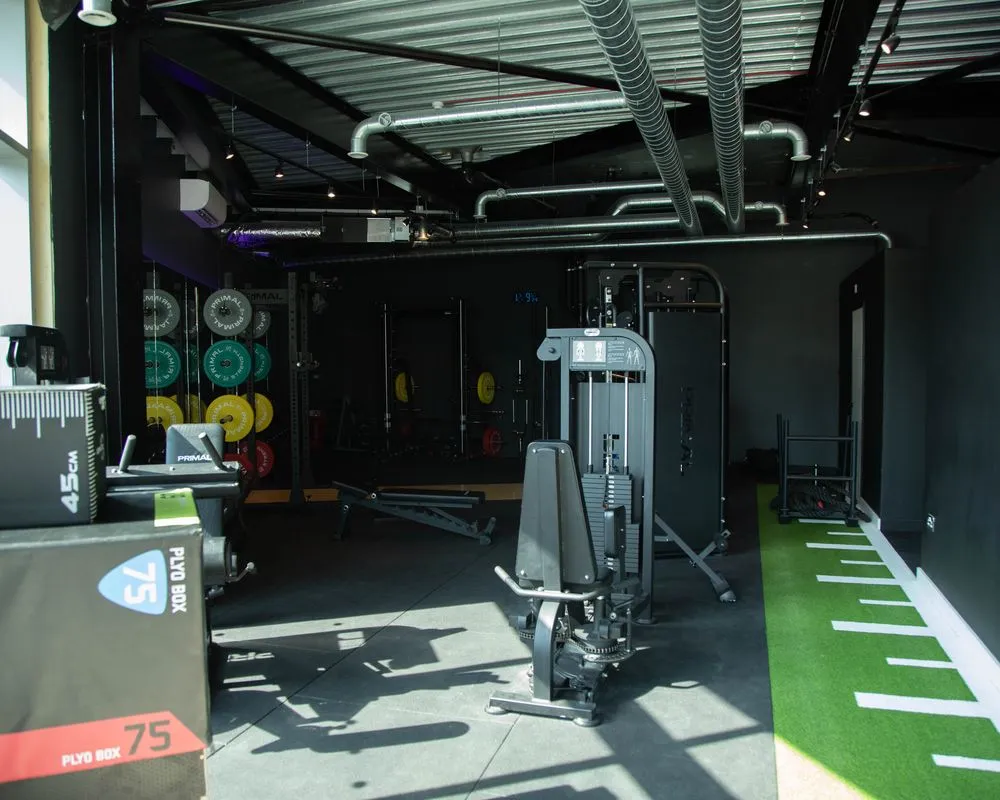
- An on-site gym inside Sculpt & Sweat Studio, so your rehab uses real training equipment.
This combination of running gait analysis and objective strength testing means we are treating the cause of your injury, not just the symptom, and we can show you the data behind it. The same tests are repeated as you progress, so the decision to build your mileage back up is based on results rather than on how the leg feels that day.
Who you'll see
-
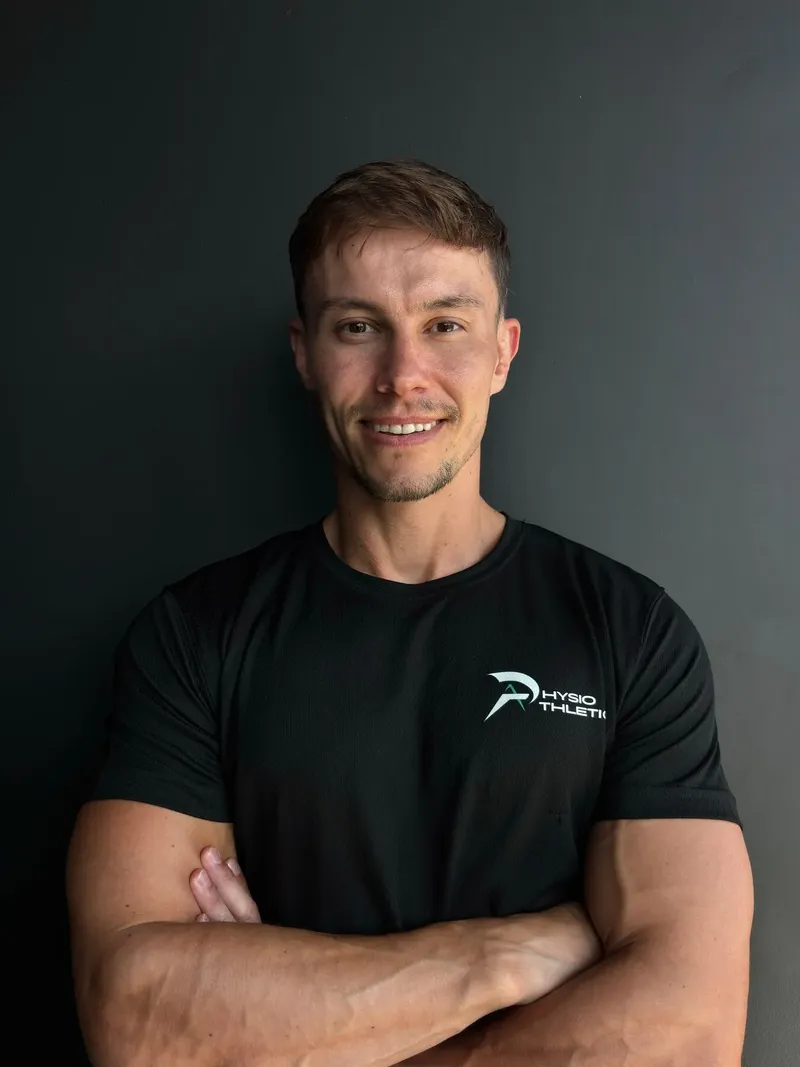
Senior MSK Physiotherapist · BSc, HCPC, MCSP, AACP
-
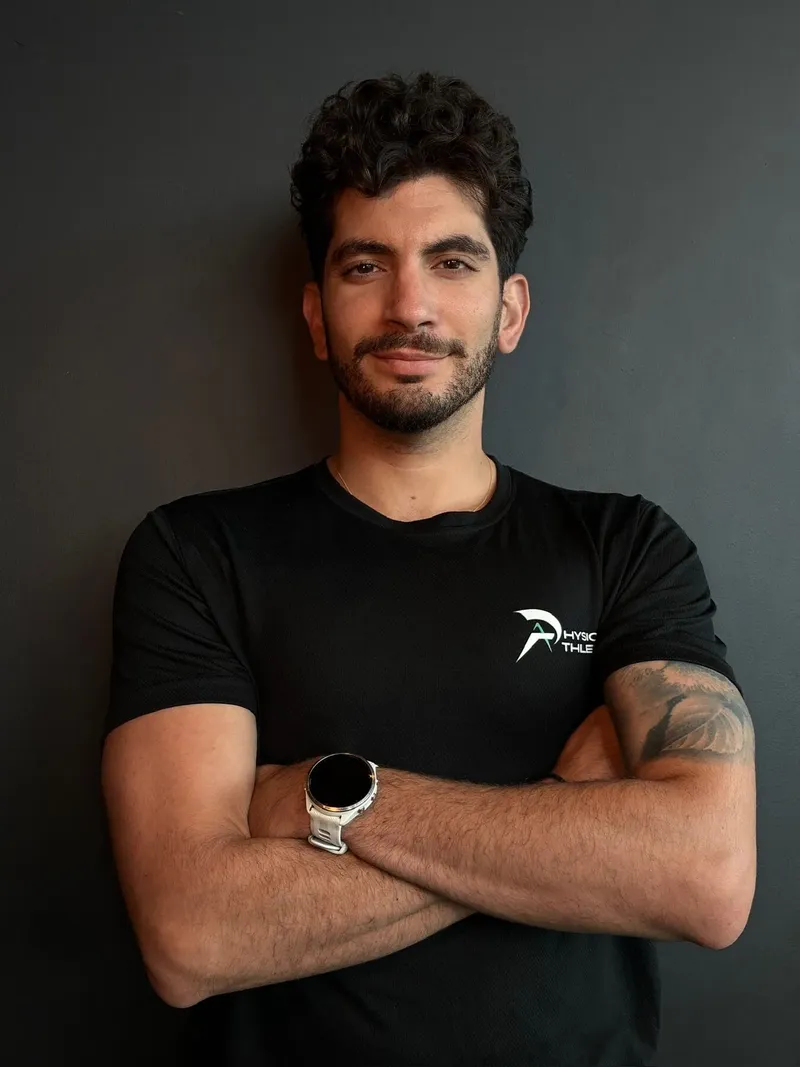
Senior MSK Physiotherapist · BSc, HCPC, MCSP, AACP
Using your health insurance
We are registered with Bupa, AXA, WPA, Cigna and Vitality. Contact your insurer first to get an authorisation code, then book with us and we bill your insurer directly. Some insurers ask for a GP referral before they authorise treatment.





What our runners say
Josh was brilliant. I visited multiple physios regarding the same issue, and they couldn't get my knee back to working order. As soon as I met Josh, it all changed. His knowledge and attention to detail meant I saw significant improvements early on, and he got me back to competing in marathons and Hyrox events.
I had severe Achilles pain for 18 months: limping, unable to run or jump, with constant stiffness and inflammation. Through a personalised plan that we regularly reviewed over the last 6 months, I've gone from not being able to jump or hop, to 16km road running in preparation for a half marathon. Thank you!
I went to Physio Athletic after calf pain from running became so bad I could hardly walk. I'd seen a few different people before but Josh was the first person that got to the root of the issue quickly. He is very knowledgeable, professional and polite. I was given very specific exercises to improve my strength alongside massage and acupuncture and I am now running again. Hard recommend!
The treatment I've received at Physio Athletic has been incredible. Josh took so much care in helping me with an IT band injury mid-way through my marathon training block, and I was blown away by his dedication in getting me to the start line pain free. Josh went above and beyond in working with me to diagnose the cause of the injury, alleviate the pain, and even sending me a cross-training plan and a plan to rebuild my running mileage. He was always available to answer my questions and I really appreciated him checking in to see how the plan was going. I'm not sure I'd have been able to start the marathon without Josh's help, and was so pleased to complete it in a good time. I'll be continuing to use the knowledge and techniques Josh gave me, and would highly recommend treatment from him for anyone suffering injuries or needing rehab.
Running injury questions
Do I need to stop running completely?
Usually not. Most running injuries respond better to adjusted load, meaning changes to your volume, intensity or surfaces, than to complete rest, which often just means the pain comes straight back the moment you restart. We will tell you plainly if your injury is the exception that needs a break from running.
Why does my running injury keep coming back?
Usually because the underlying cause was never actually addressed. The painful area was rested until it settled, then loaded the same way again. Our gait analysis and VALD testing are specifically there to catch the weak link causing the problem in the first place, so treatment targets that, not just the symptom.
Should I keep running with knee pain?
It depends on how the knee behaves. Mild discomfort that stays level during a run and settles within a day is often manageable with reduced mileage. Pain that builds as you run, changes how you run, or is worse the next morning is a sign to cut back and get it assessed, so the cause can be found before it becomes a longer lay-off.
What is runner's knee and how is it treated?
Runner's knee, or patellofemoral pain, is pain around or behind the kneecap that is typically worse on hills, stairs and after sitting. It is treated by adjusting how much load the knee takes and by strengthening the hip and thigh muscles that control it. A gait analysis shows whether the way you run is adding to the load on the joint.
Should I run with shin splints?
Reducing your running usually helps more than pushing through, because shin splints are driven by load building faster than the leg can adapt to. Many runners can keep some running at a lower volume while calf and foot strength is built up. Shin pain that is sharp, very localised or worse with every run can be a stress fracture and needs prompt assessment before you run again.
Do I need a scan for a running injury?
Not usually. Most running injuries can be diagnosed and managed through clinical assessment, gait analysis and strength testing alone. We will tell you directly if we think imaging would actually change your treatment or if something needs ruling out.
Do you offer running gait analysis?
Yes. We put you on the treadmill and film your running, then analyse your mechanics to see what is driving the injury rather than only treating where it hurts. It is combined with isometric strength testing on VALD force plates, so the findings from how you run are checked against how strong each leg actually is.
How long until I am back to full mileage or racing?
It depends entirely on the injury and how long you have been carrying it: a recent calf strain and a year of Achilles pain are different journeys. We give you an honest, specific estimate after the assessment rather than a generic timeframe, and testing guides when it is actually right to build your mileage back up.
How many physio sessions will I need for a running injury?
Many running injuries typically need around 3 to 6 sessions, though it depends on the injury and on how long it has been there. A tendon problem you have carried for a year or more will usually take longer than a recent strain. We give you an honest estimate after the assessment rather than selling a fixed block up front.
I have a marathon coming up. Can you help me get to the start line?
Often, yes, though nobody can promise a race date. We assess what the injury will tolerate, adjust your training block around it, and use cross-training to protect your fitness while the cause is addressed. If racing is not realistic, we will tell you honestly and plan for the next one.
Do I need new trainers or insoles?
Sometimes, but shoes are rarely the whole answer. Worn-out trainers or a sudden change of shoe can contribute, and we look at your footwear as part of the assessment. Most running injuries come down to training load and strength, so new trainers or insoles on their own seldom resolve a problem that keeps returning.
Should I see a physio or a podiatrist for heel pain?
A physio is a good first stop for heel pain from running, because most cases are managed with load changes and progressive strengthening of the foot and calf. If your assessment suggests you would benefit from a podiatry opinion, for example about footwear or insoles, we will tell you.
Can strength training help prevent running injuries?
Strength training can help reduce the risk, although no programme can guarantee you will stay injury-free. Stronger calves, thighs and hips tolerate more running load, which is why progressive strength work is part of every plan we write. Our on-site gym in Canning Town means that work happens on real training equipment.
Can I use my health insurance for a running injury?
We are registered with Bupa, AXA, WPA, Cigna and Vitality. Contact your insurer first to get an authorisation code, then book with us and we bill your insurer directly. Some insurers ask for a GP referral before they authorise treatment.
Not sure what is driving your running injury?
Whether it is a niggle that has been hanging around for months or something that has just flared up before a big race, a proper assessment is the best way to find out what is actually causing it, not just where it hurts.
We will get to the root of it and build your plan around getting you back to running the way you want to.
Not sure which appointment you need? Call us for a free chat and we'll point you in the right direction.
Getting here
Physio Athletic
Inside Sculpt & Sweat StudioUnit 2 Hoola, 5 Tidal Basin Road
Canning Town, London E16 1UX
- Nearest stations: Royal Victoria (DLR) and Custom House (Elizabeth line)
- Paid street parking nearby
- Please note the clinic is not step-free
Opening hours
- Monday–Thursday
- 07:00–21:00
- Friday
- 08:00–21:00
- Saturday
- 08:00–17:00
- Sunday
- 10:00–17:00